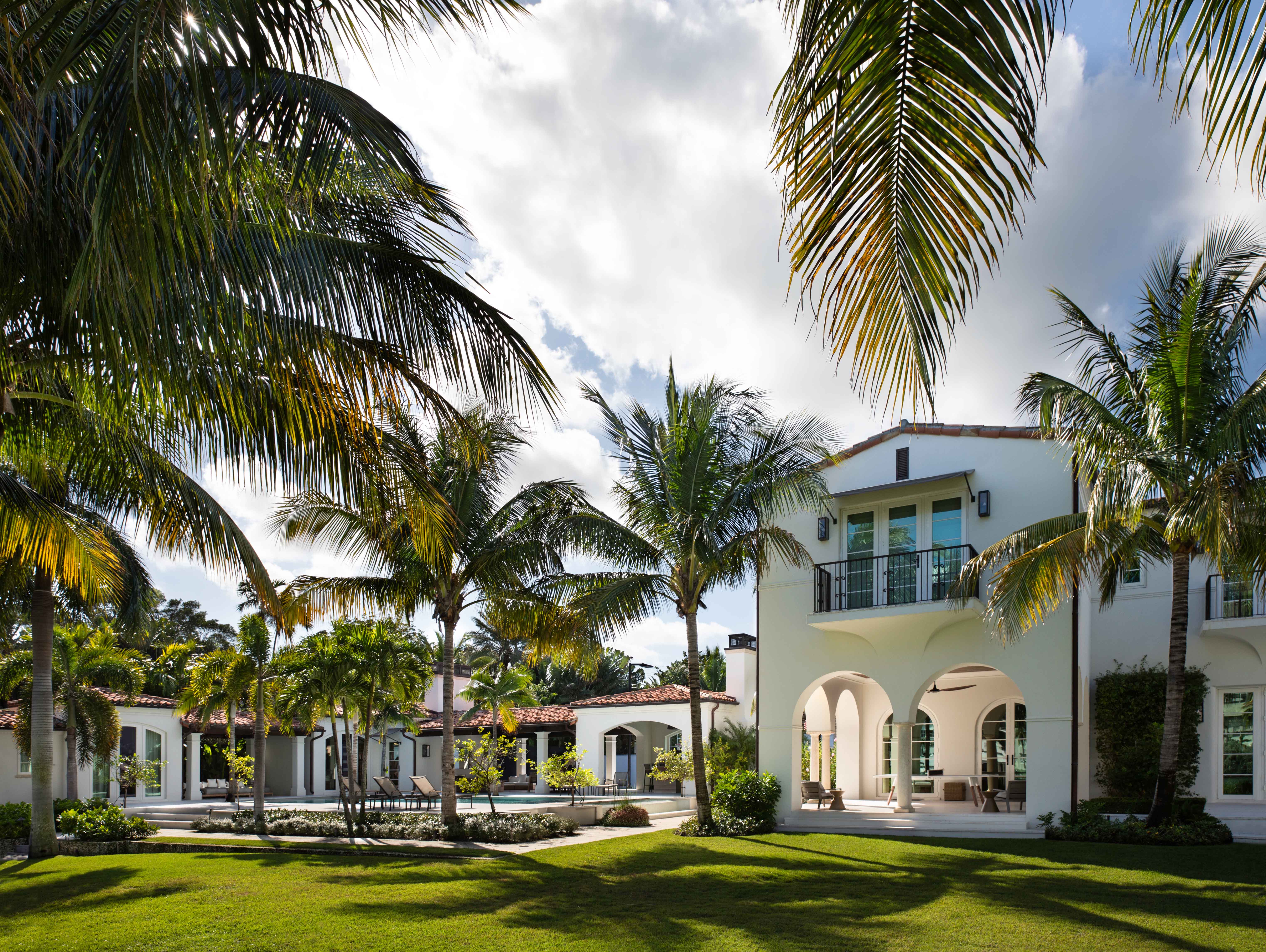
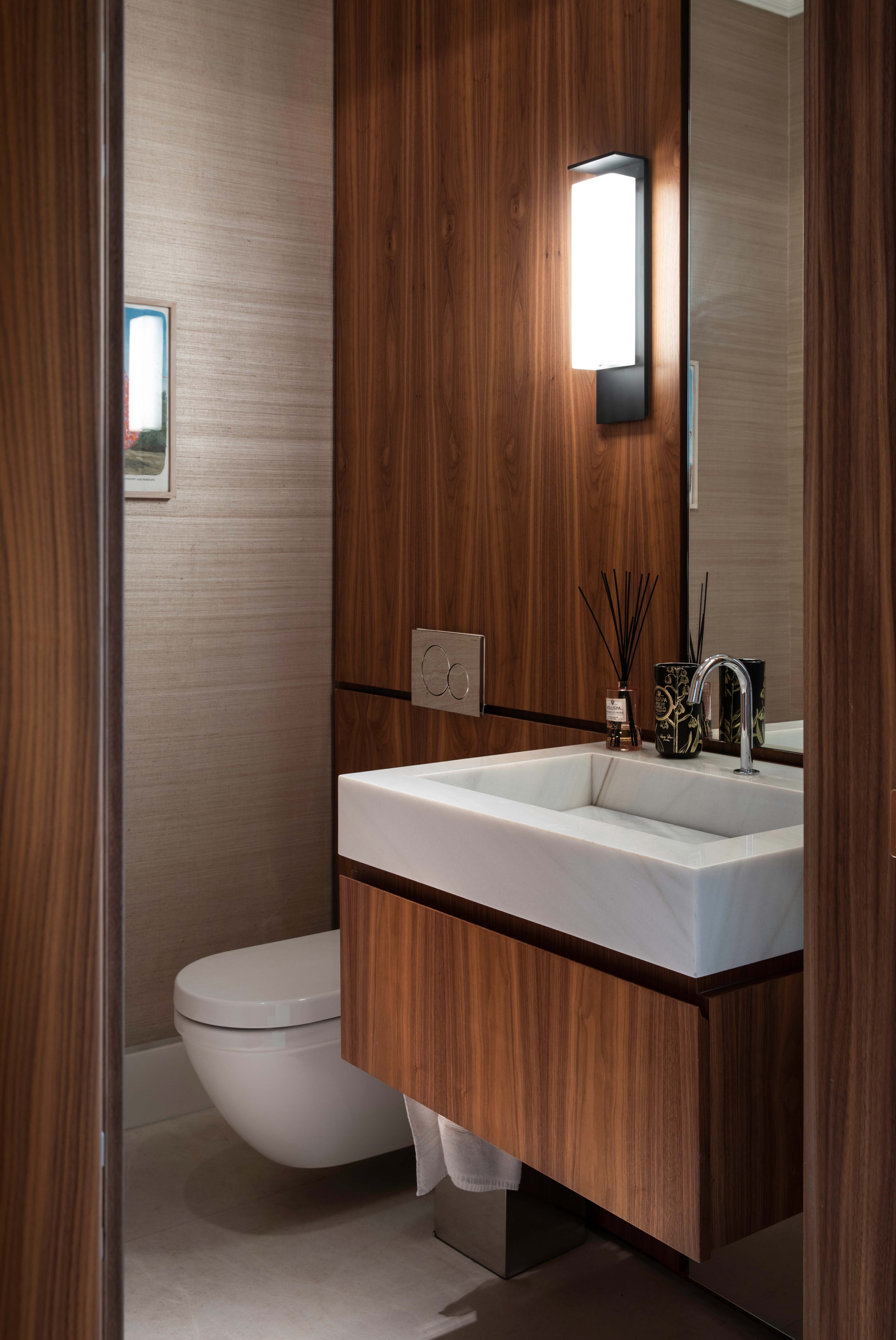
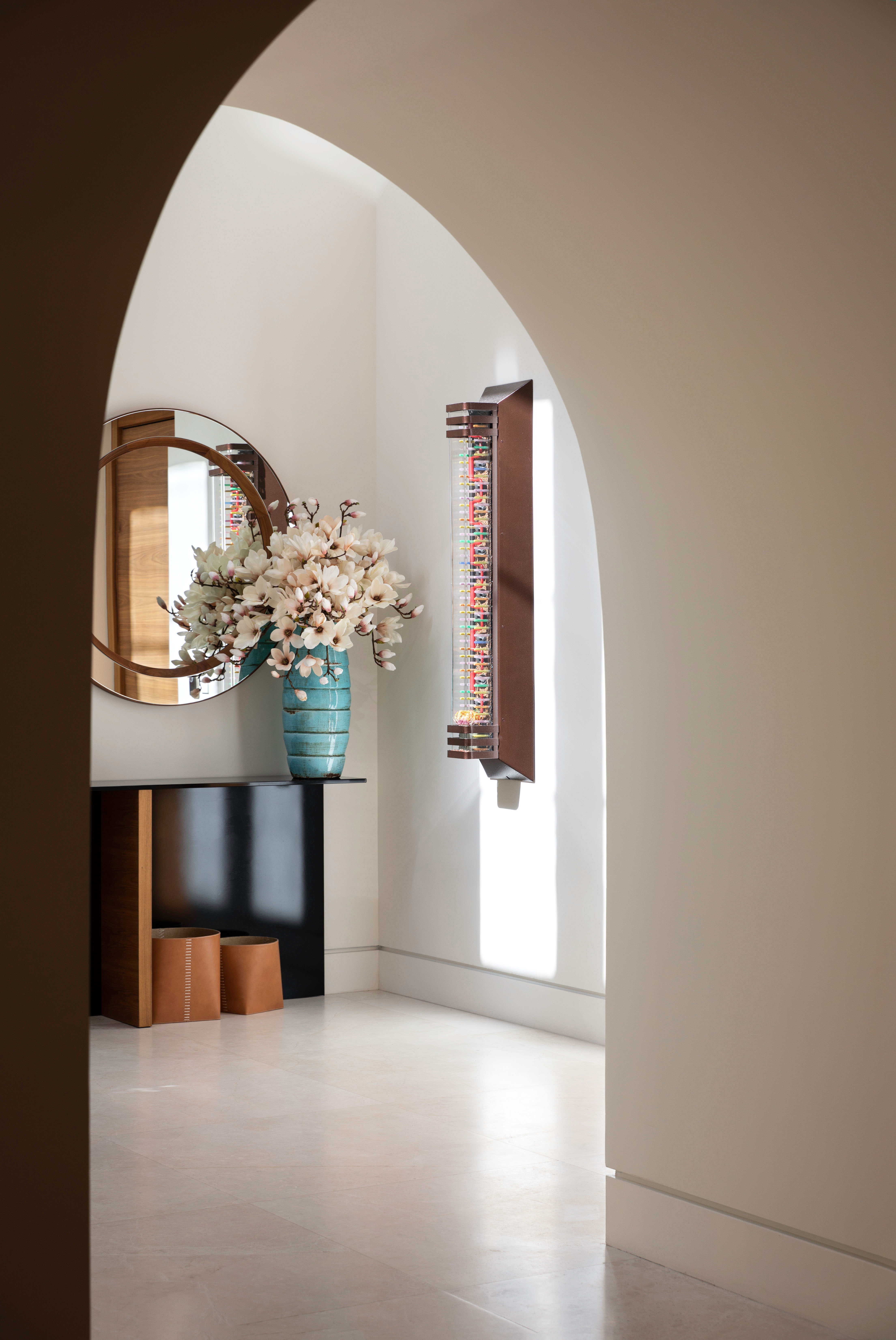
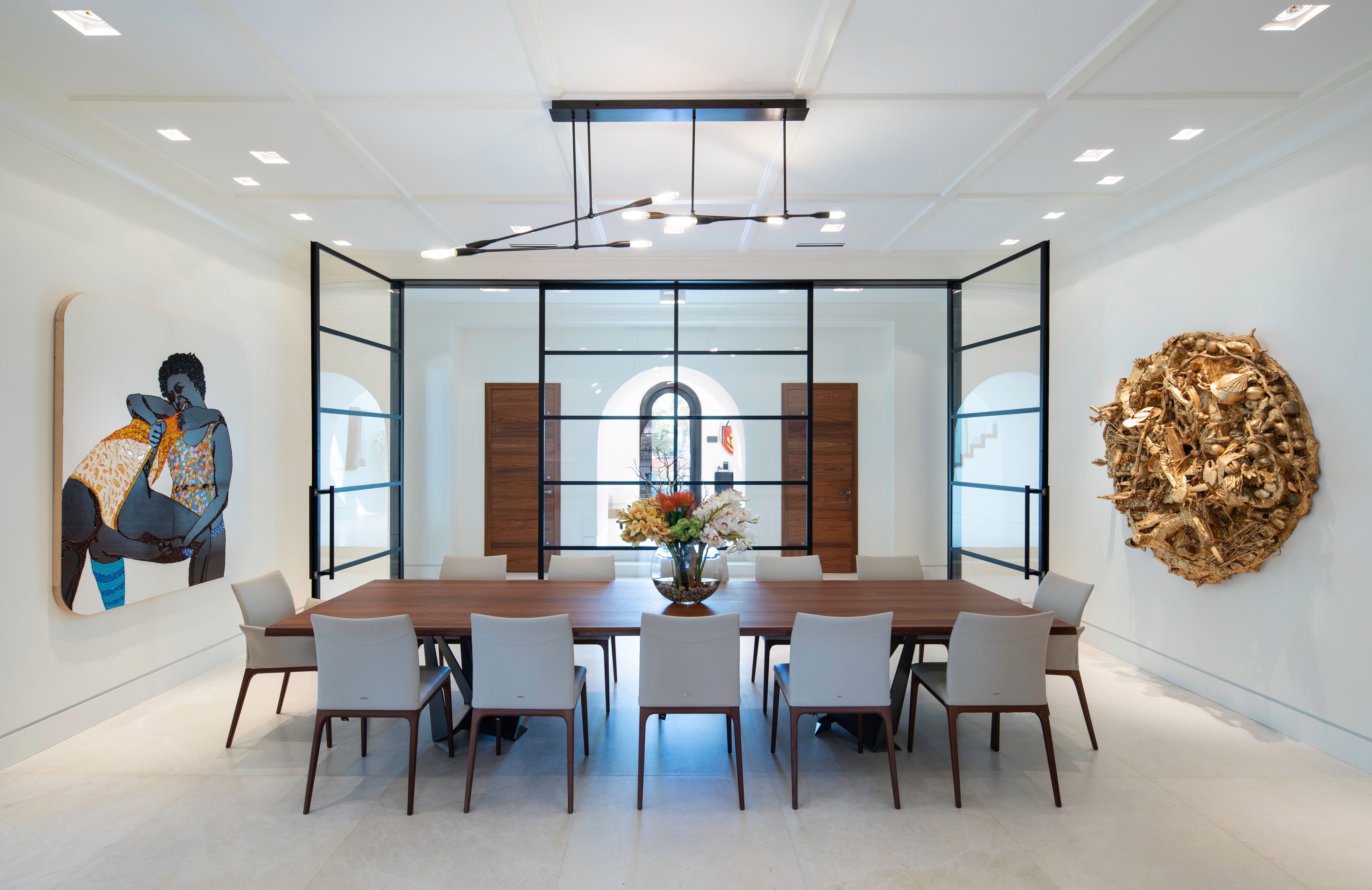
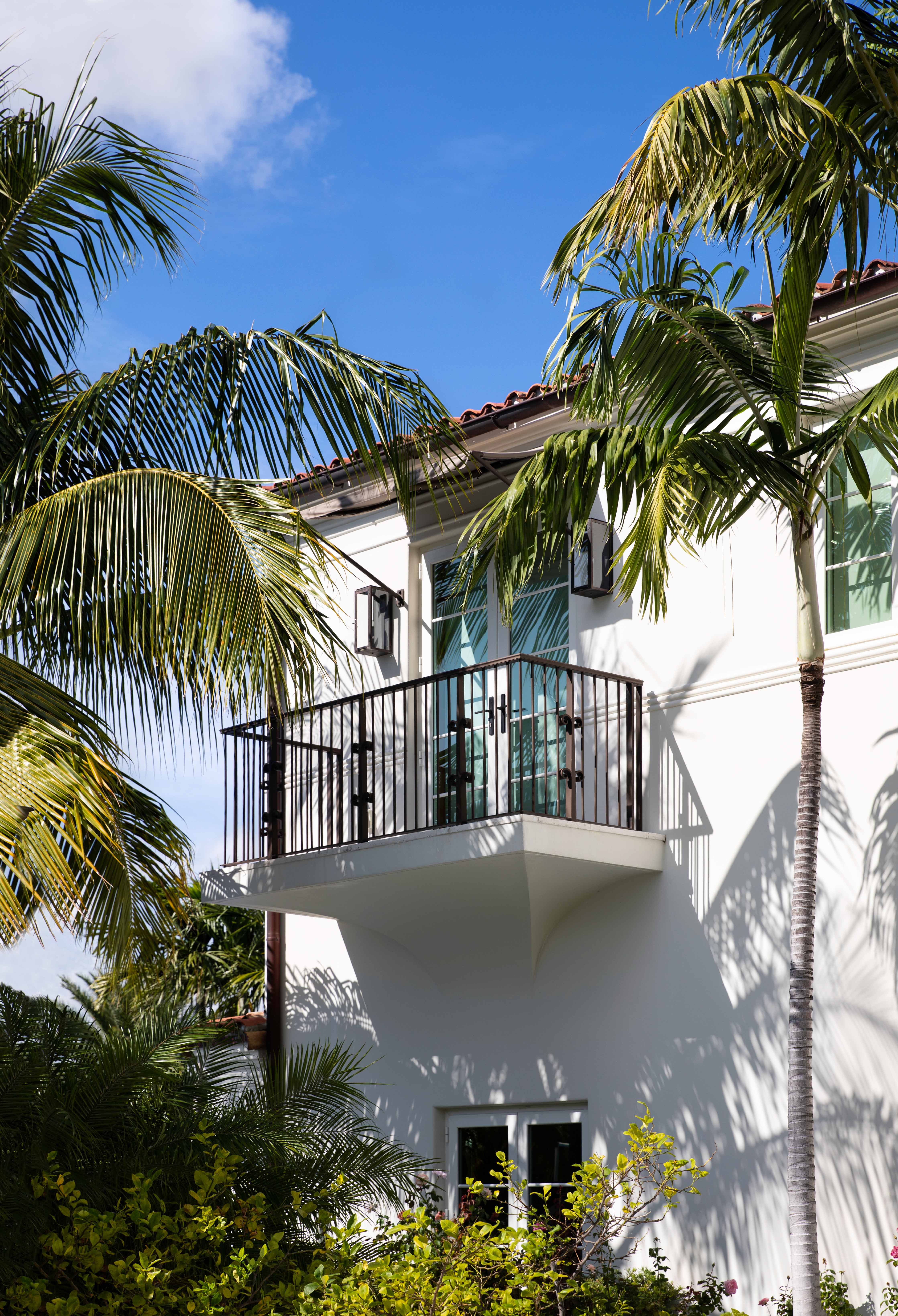
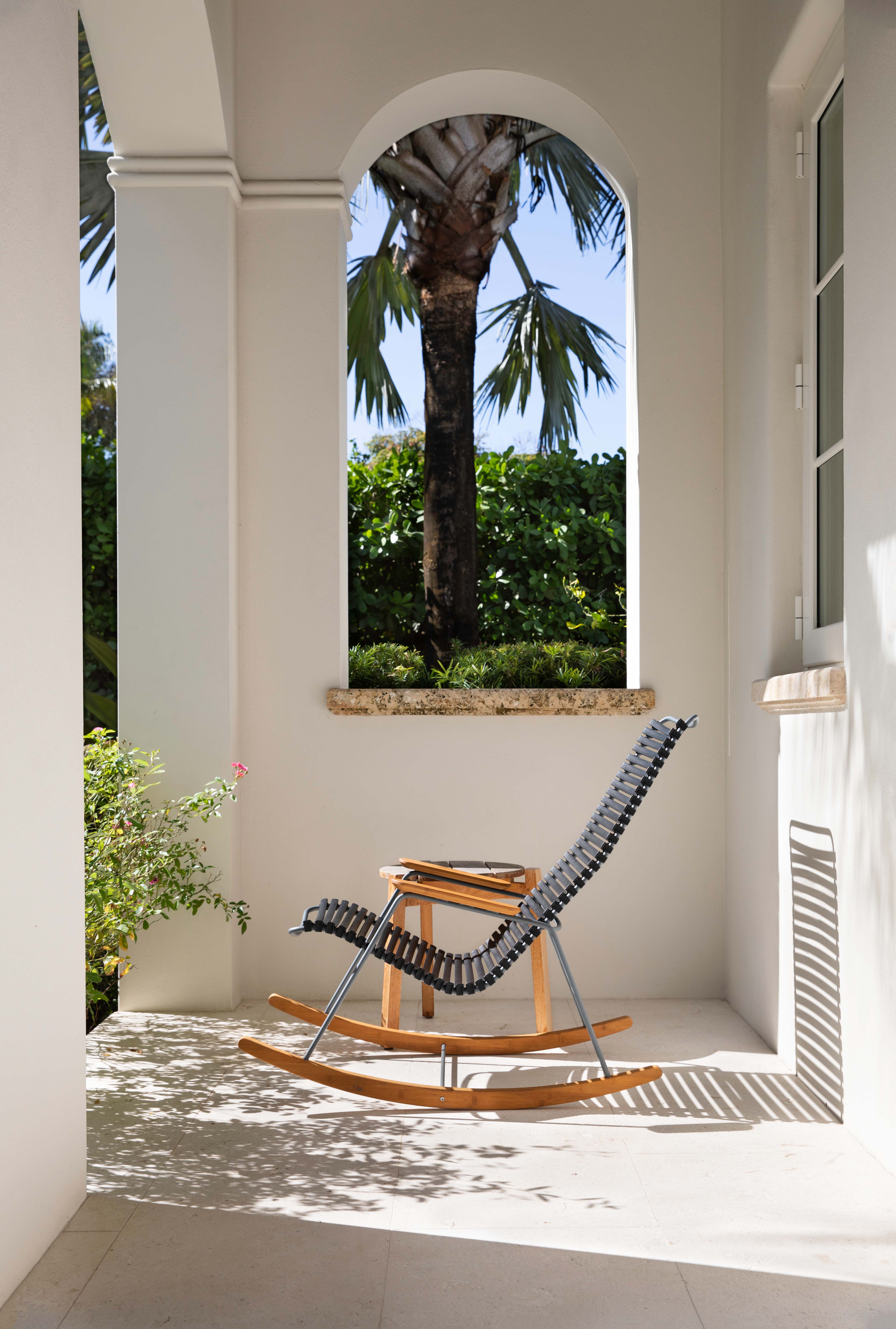
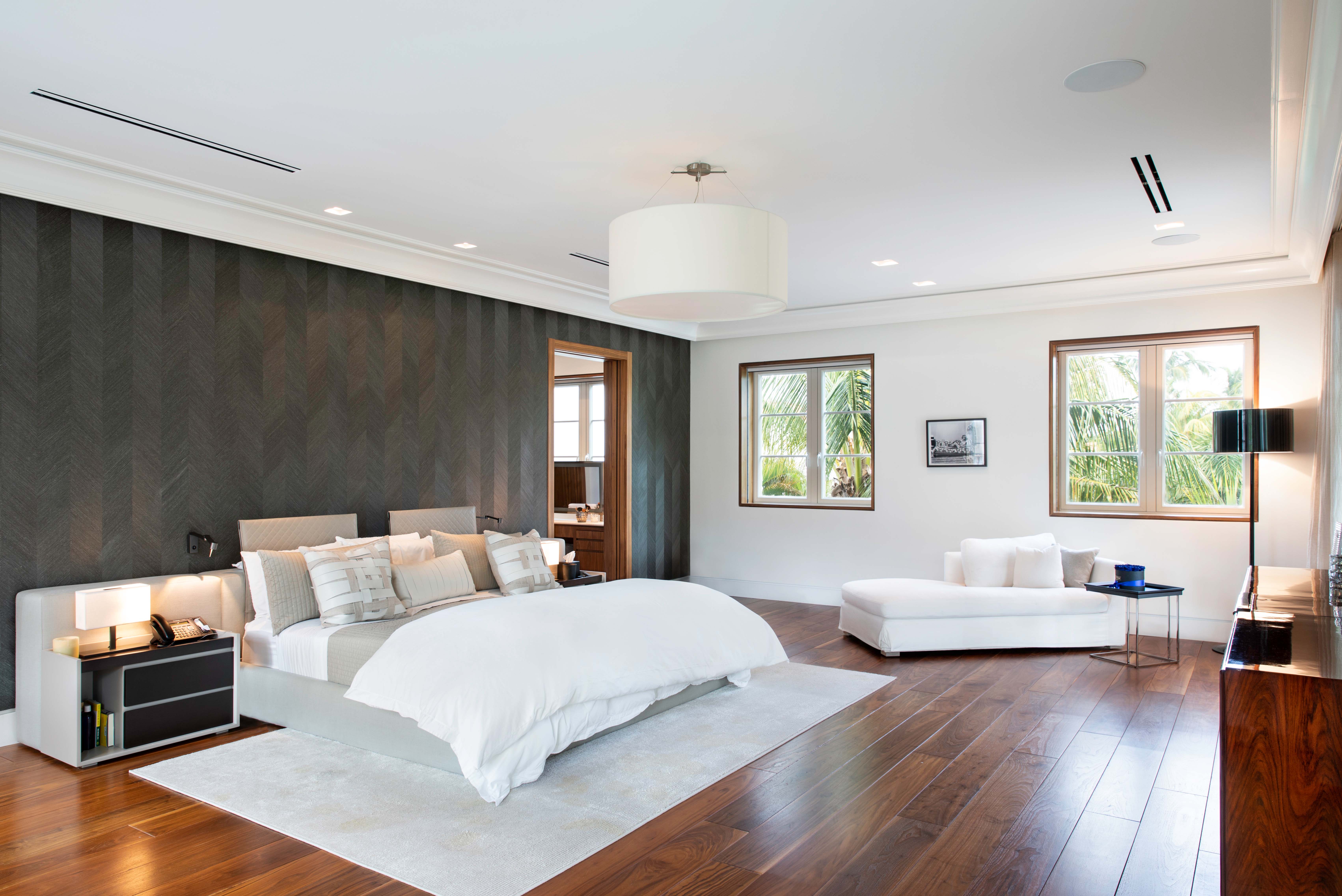
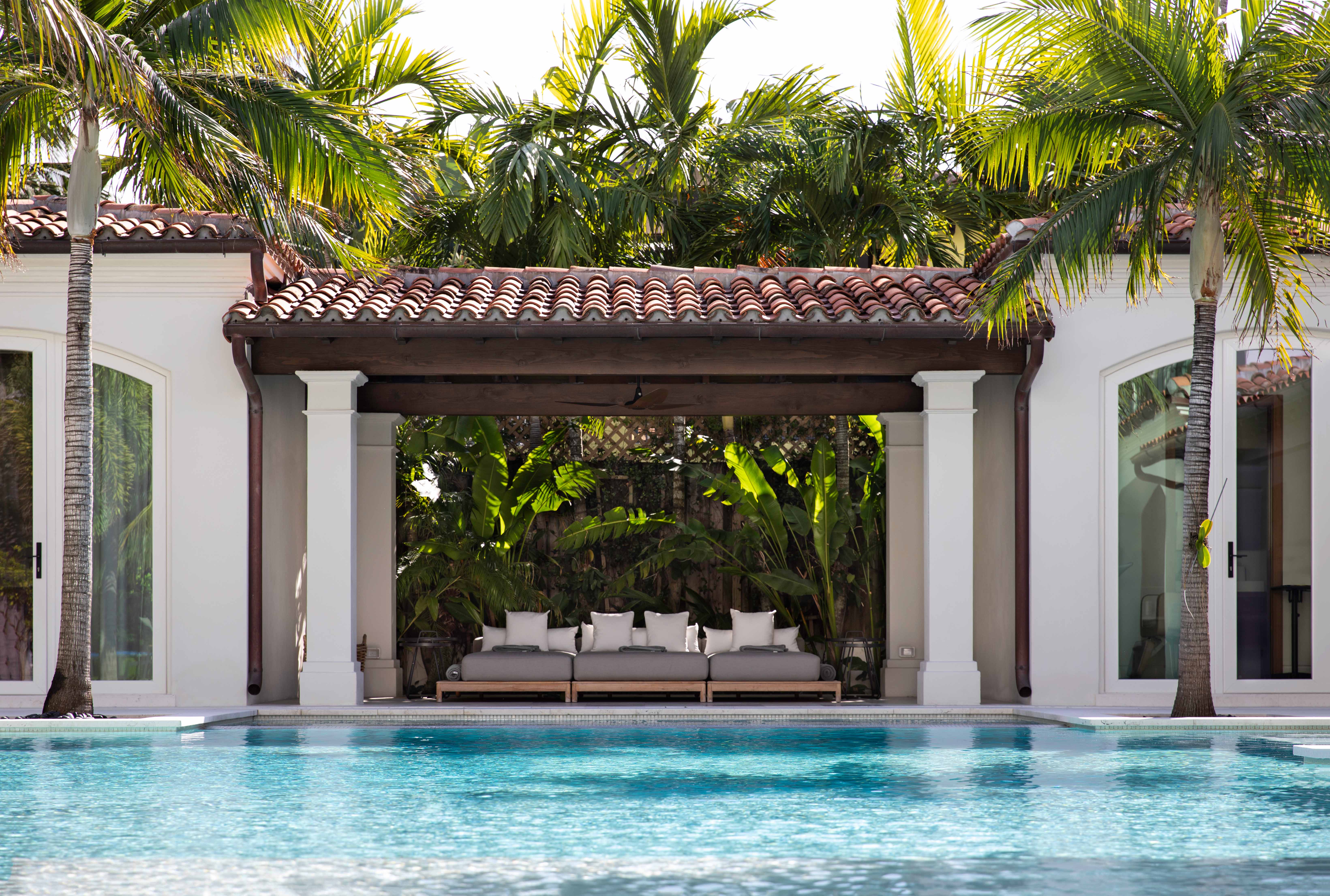
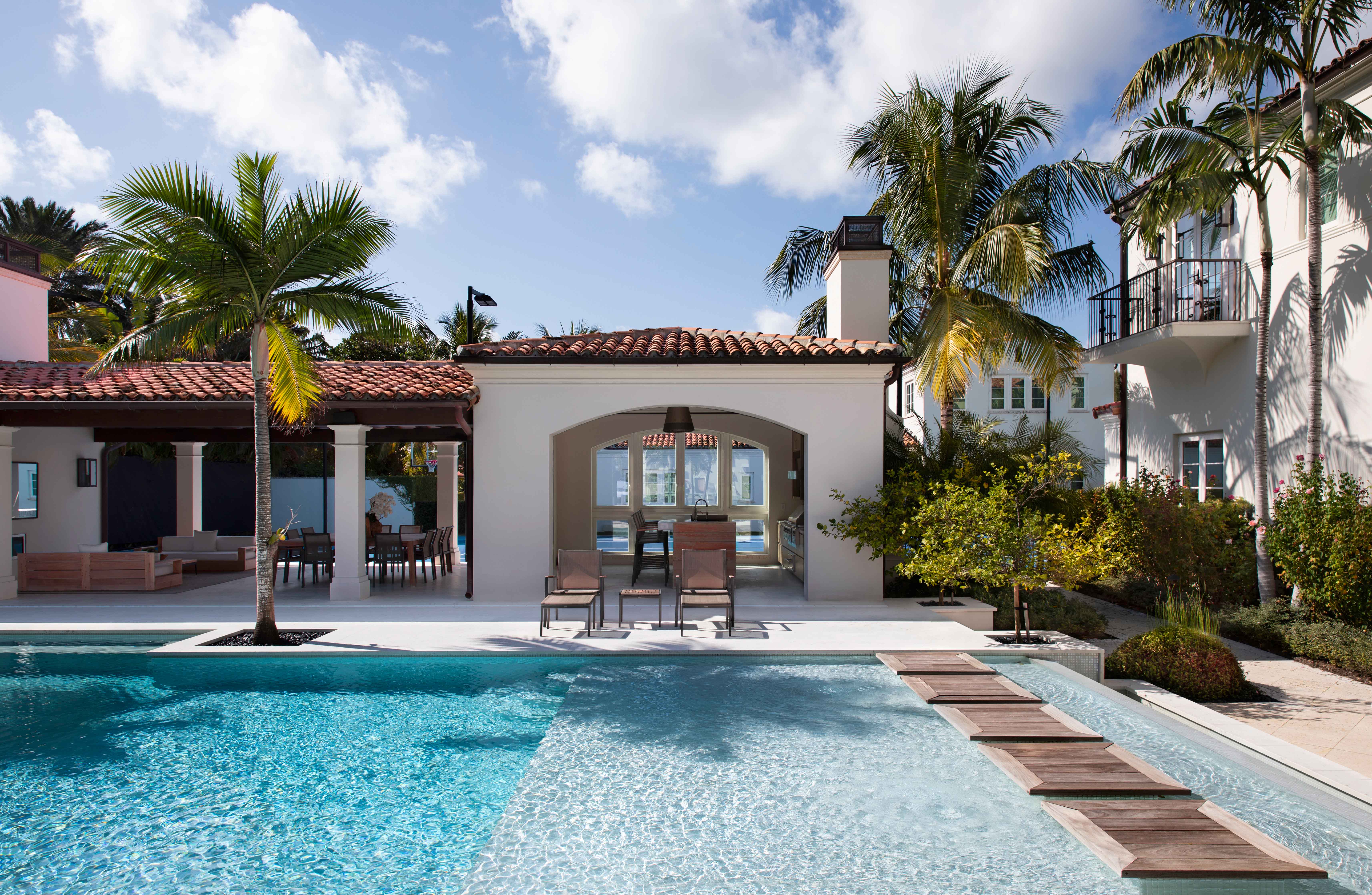
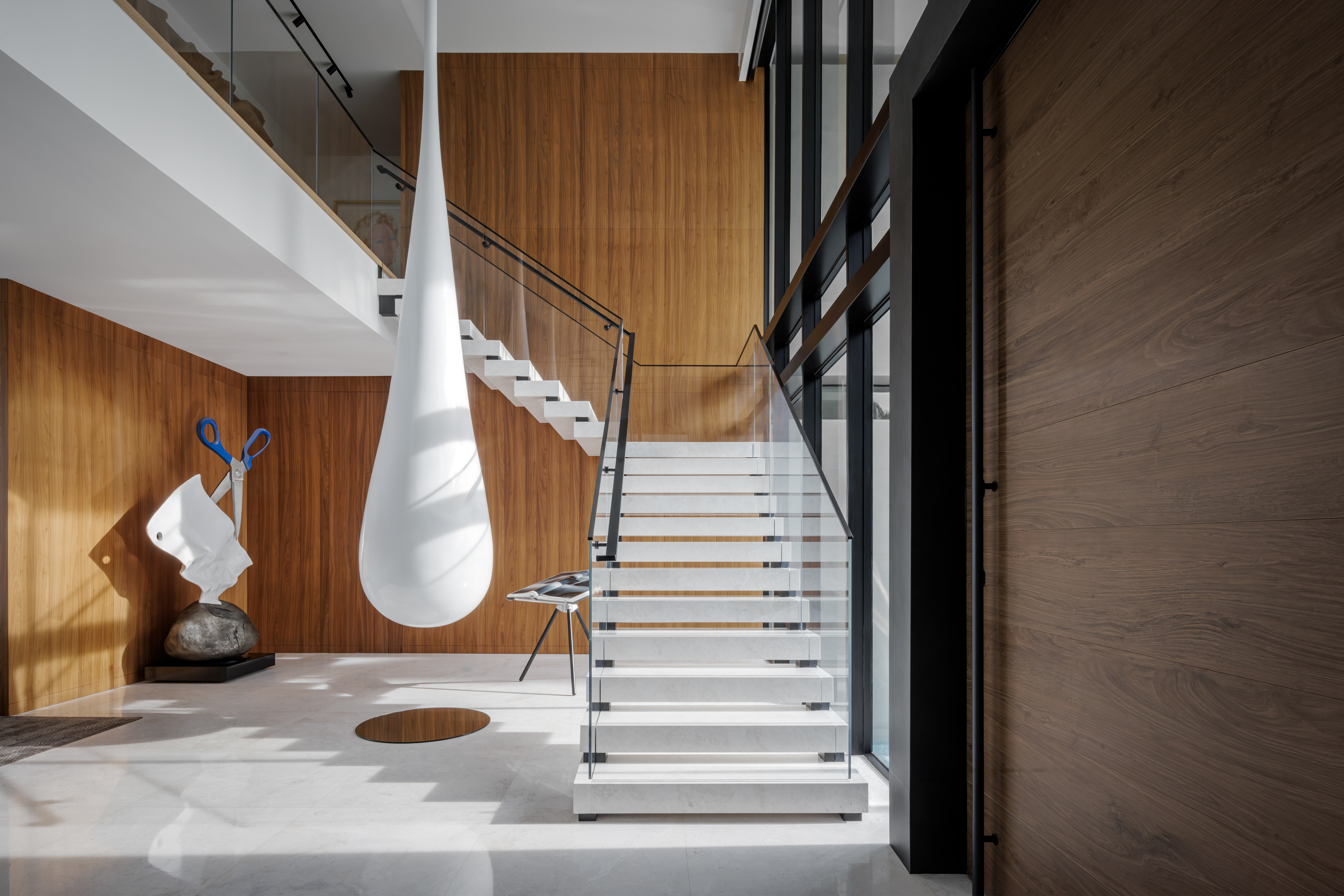
A young couple with three children and a massive art collection acquired a rare 1920s property that blended Art Deco and Mediterranean architecture, one of the few homes from that era built in this distinctive style. The plan was renovation but six months in, we discovered the sand and concrete construction was collapsing beyond salvage. The project became a complete rebuild with an unusual mandate: stay faithful to the original floor plan and architectural character while creating interiors that would work for a modern family. Working with architect Thomas Weber, we conceived a home that honored its 1920s precedent from the street, including the signature porthole window, while allowing the interiors to breathe with contemporary ease. We used archways and classic walnut woods to maintain architectural continuity, then dressed ceilings with floating crowns and applied moldings, low-profile elements that created liaison between the exterior's traditional language and the interior's modern sensibility.
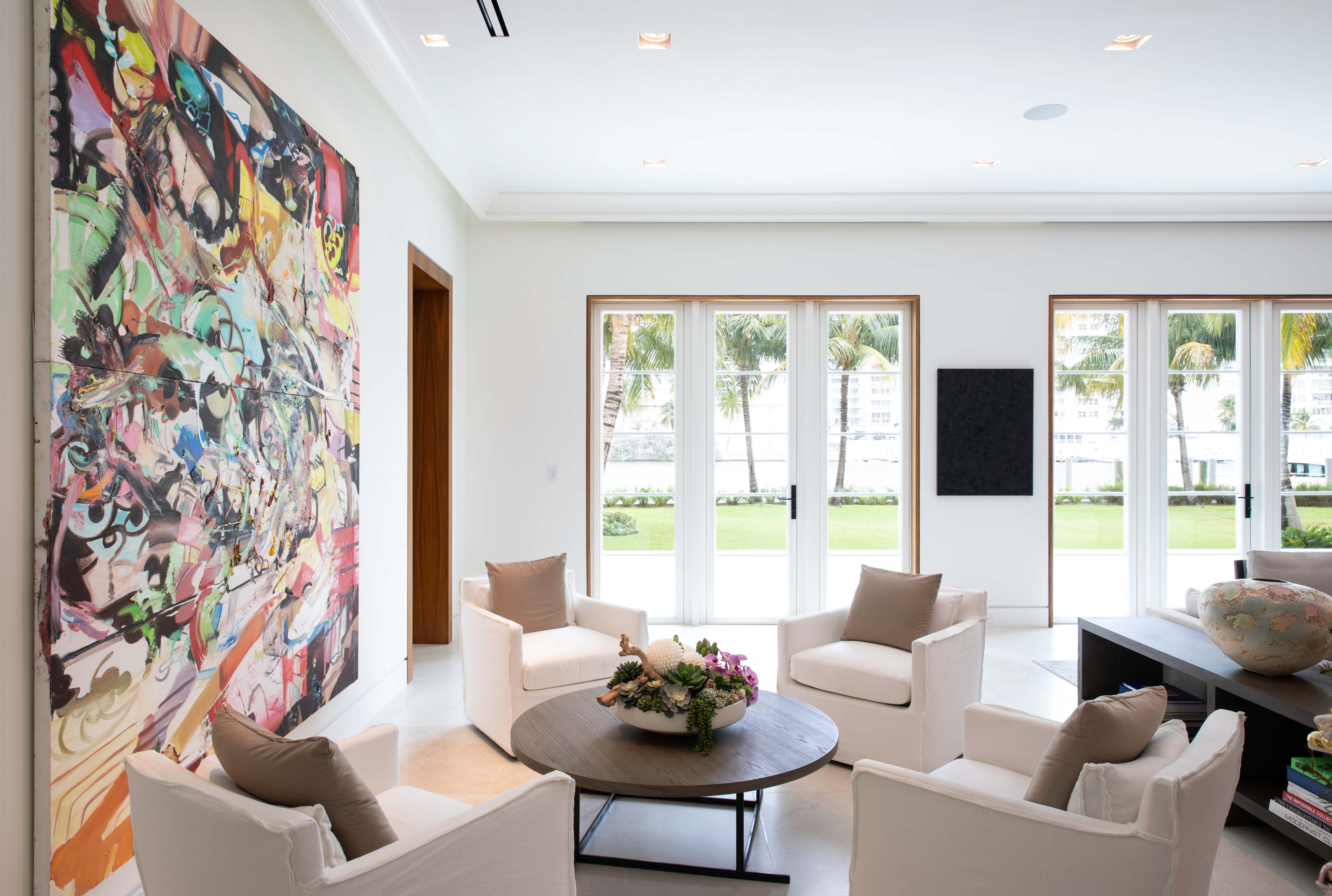
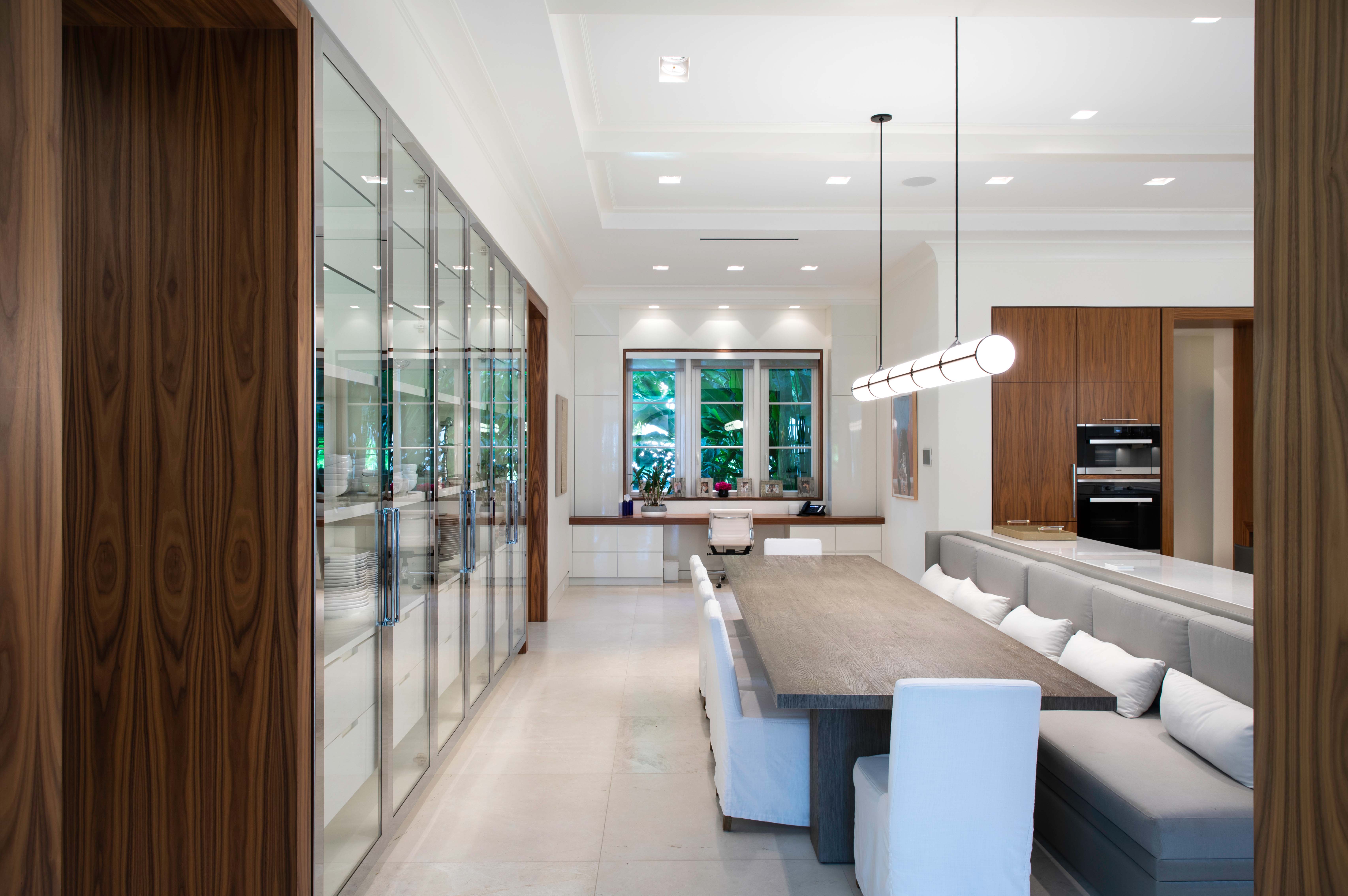
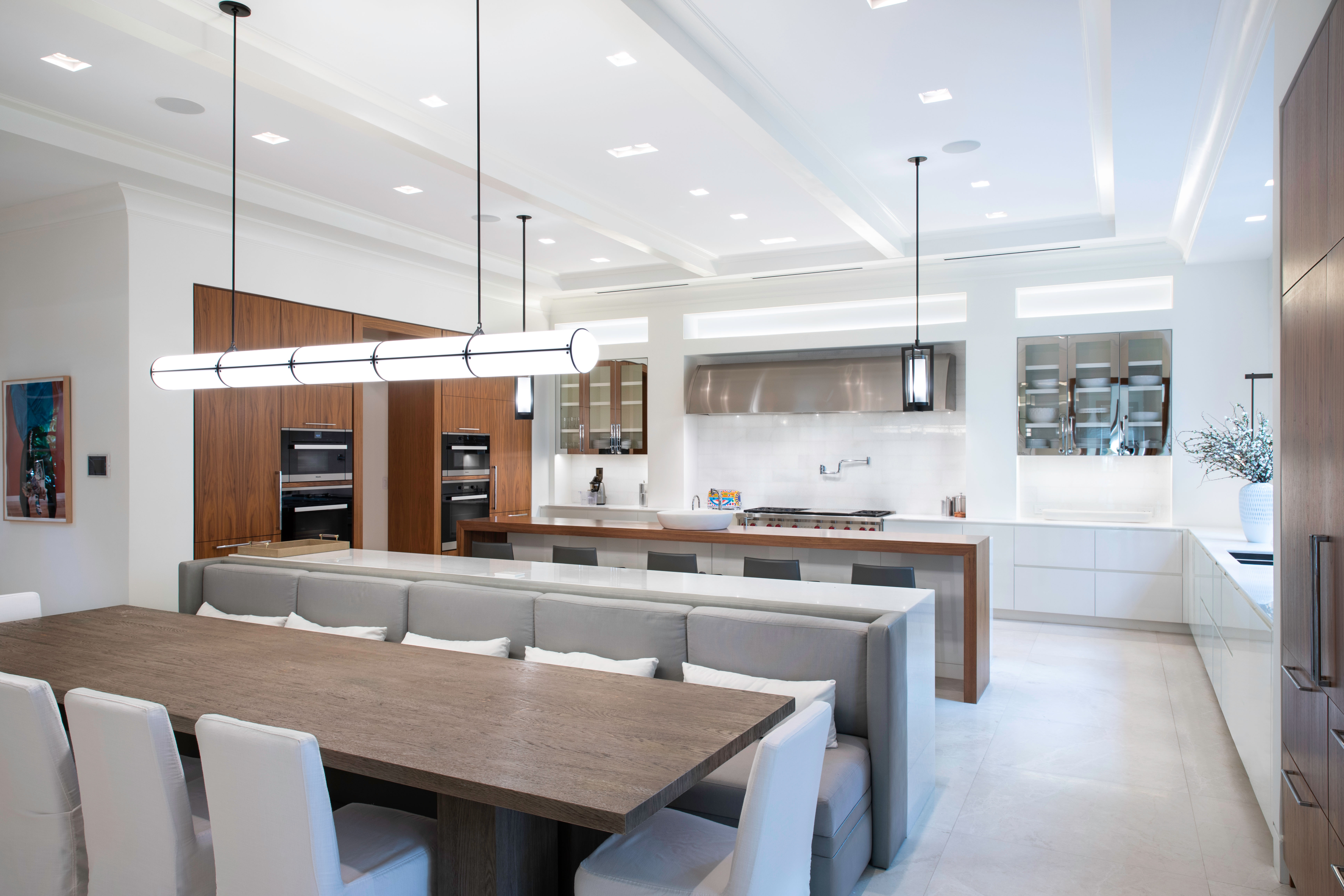
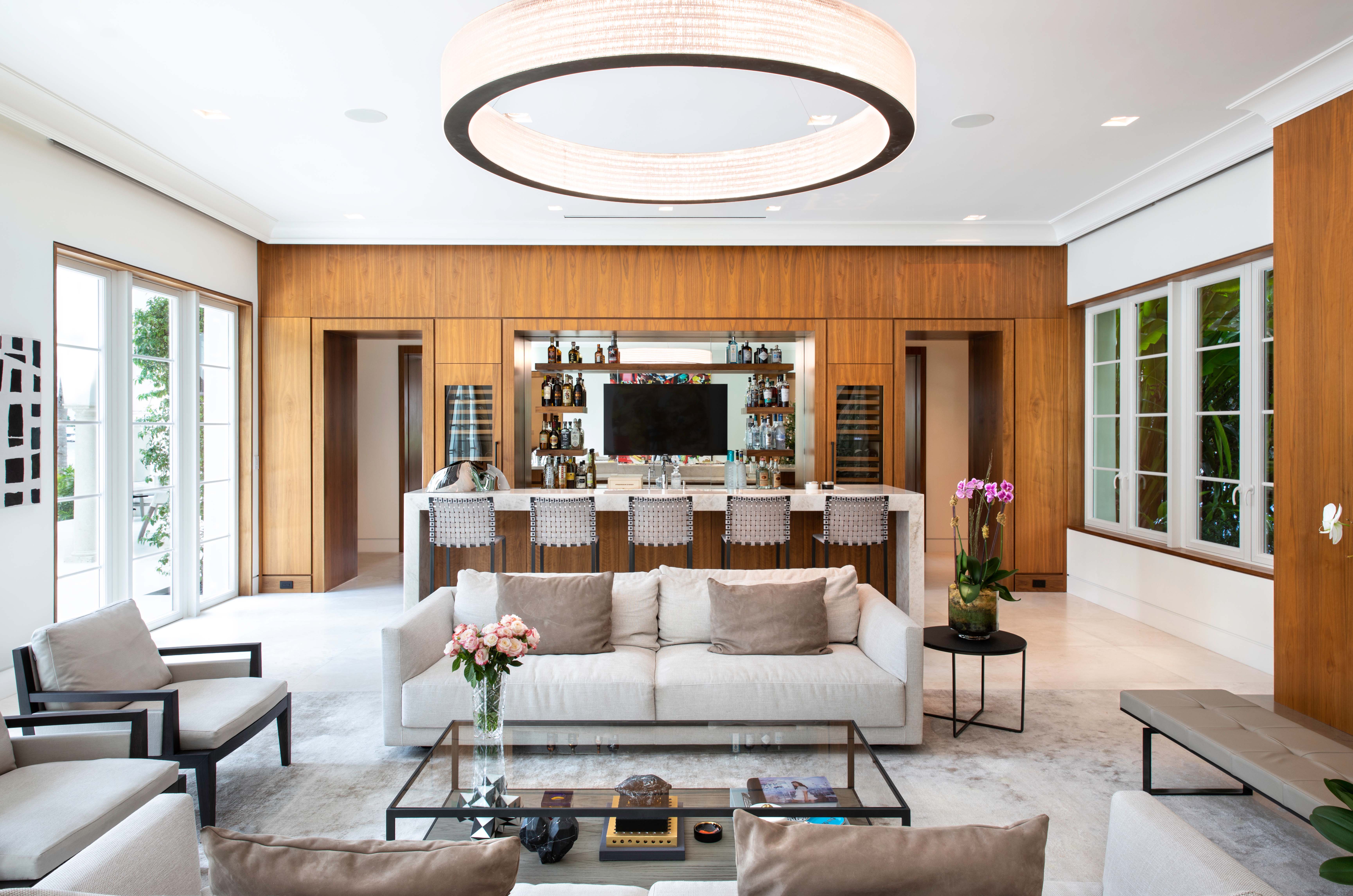
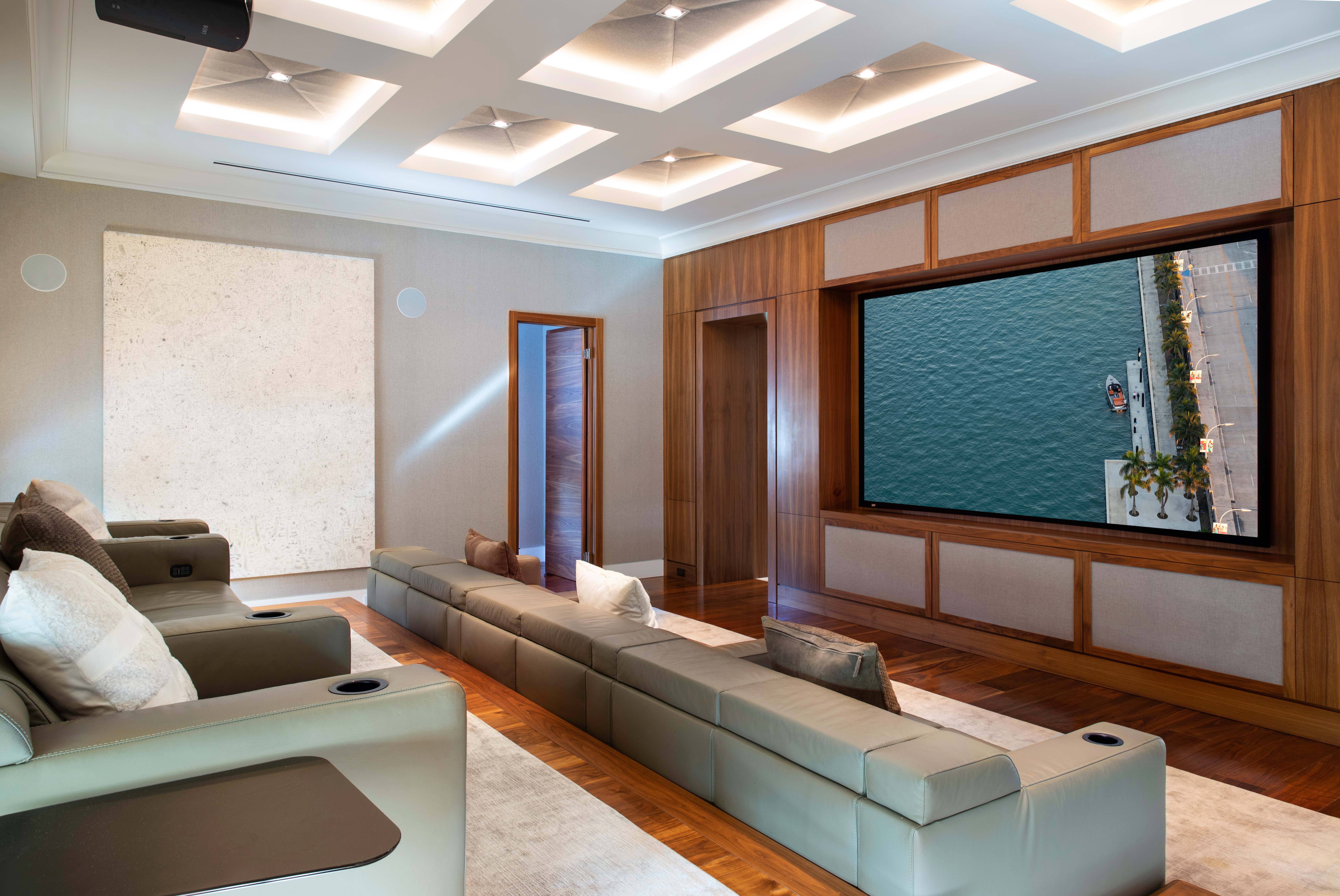
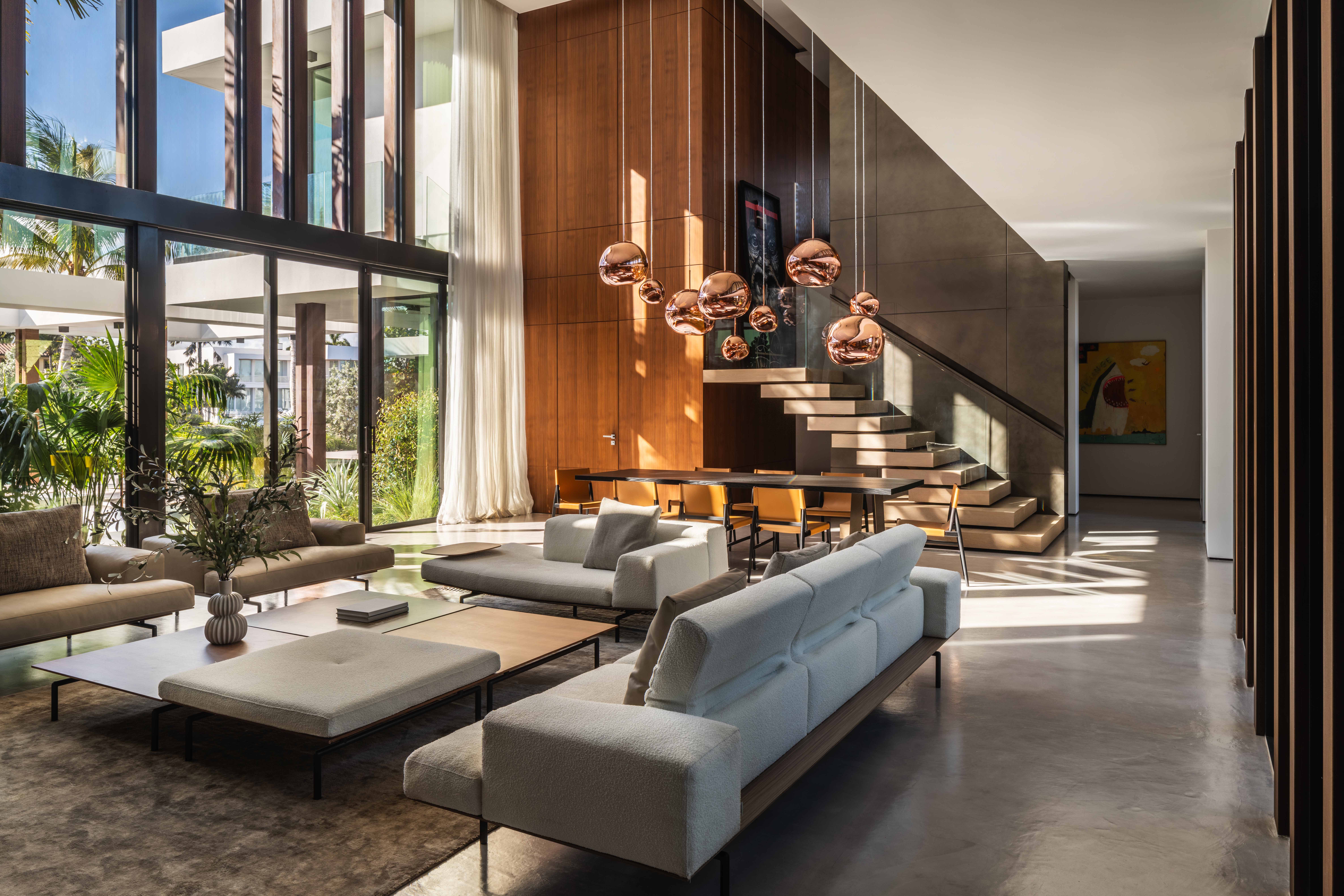
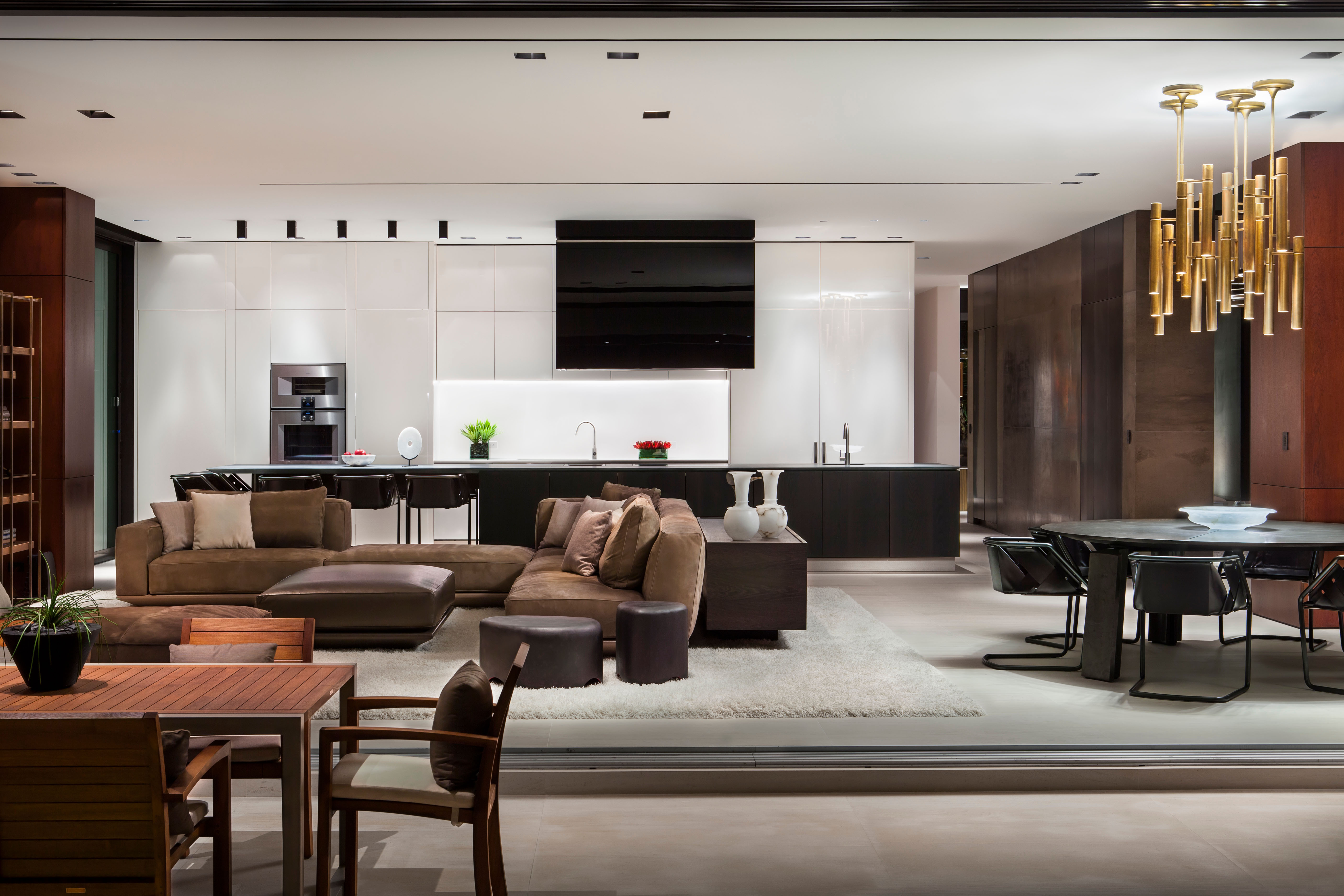
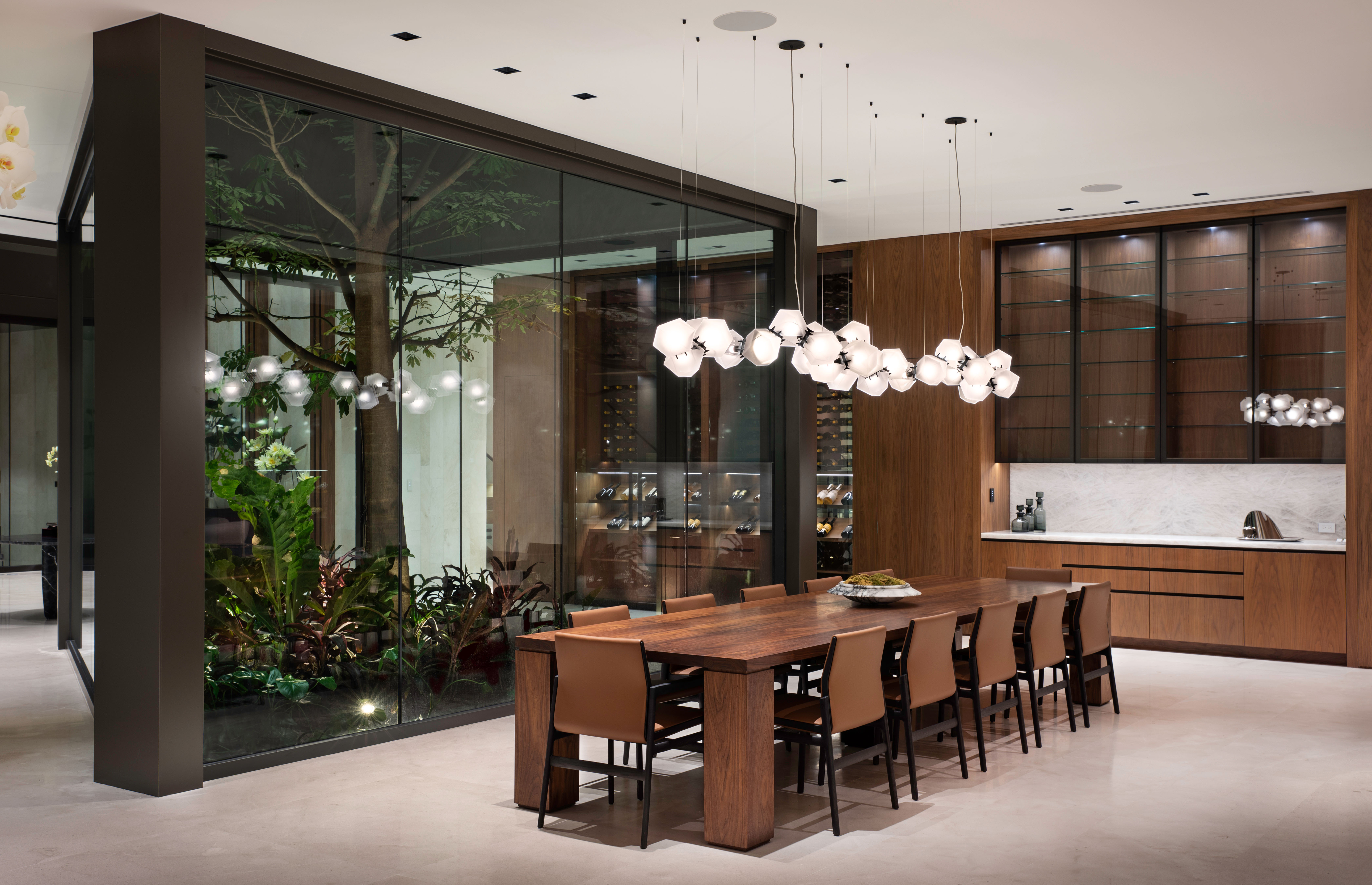
The kitchen became more integrated into the home's flow rather than tucked completely away as it would have been in the 1920s, reflecting how the family actually lives: connected, informal, present. With young children, durability and comfort took precedence over preciousness. We chose relaxed furnishings with white slipcovers that felt inviting and cozy, creating spaces that could withstand daily life while providing a sophisticated backdrop for their art collection.
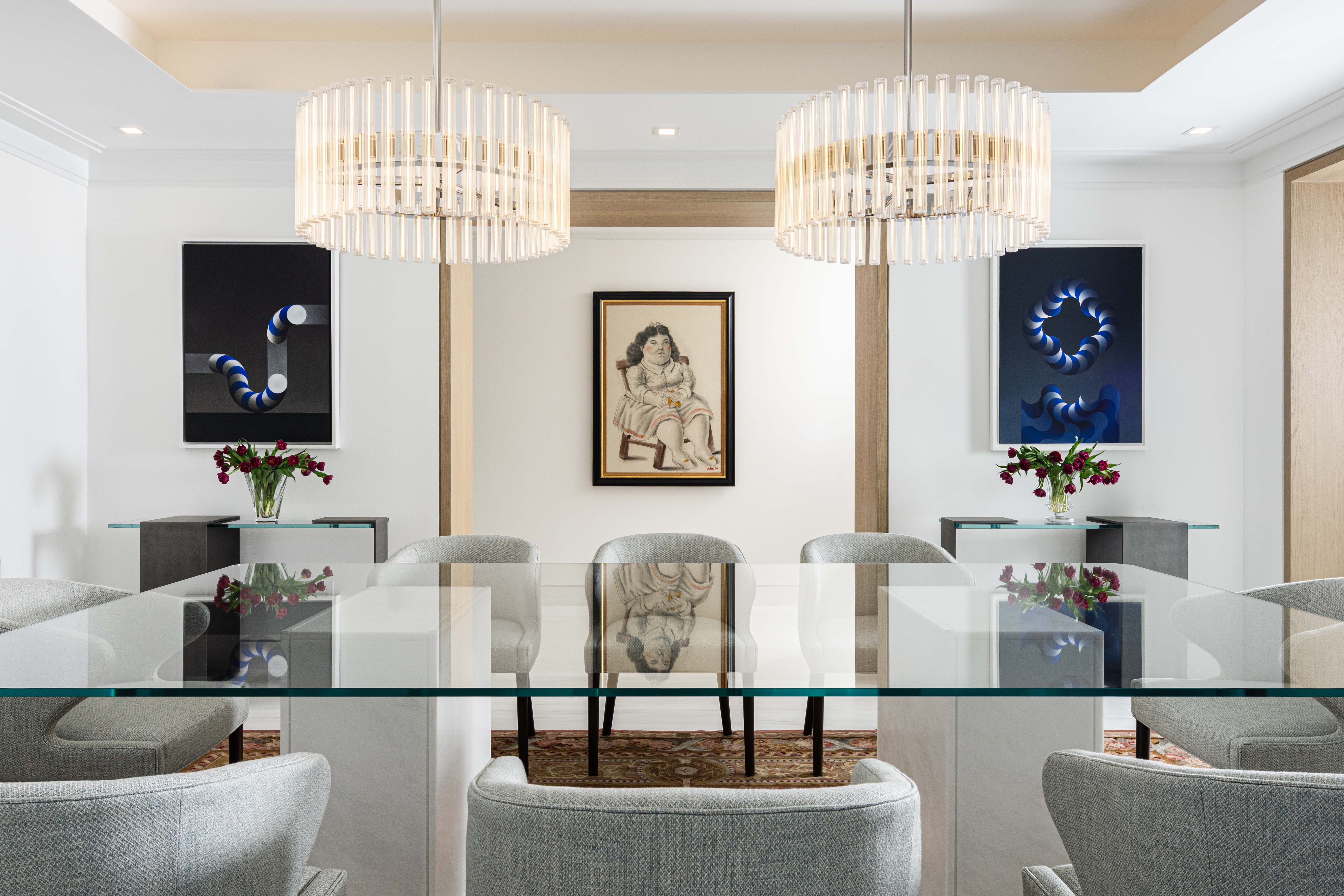
The couple's deep connections to Miami's art world shaped every interior decision. Whether we personally responded to each piece became irrelevant; our role was designing around the art and selecting furnishings that complemented its style and scale. Interior architecture and art collection now share equal weight, each elevating the other within a structure that feels both historically grounded and unmistakably contemporary.




.jpg)